
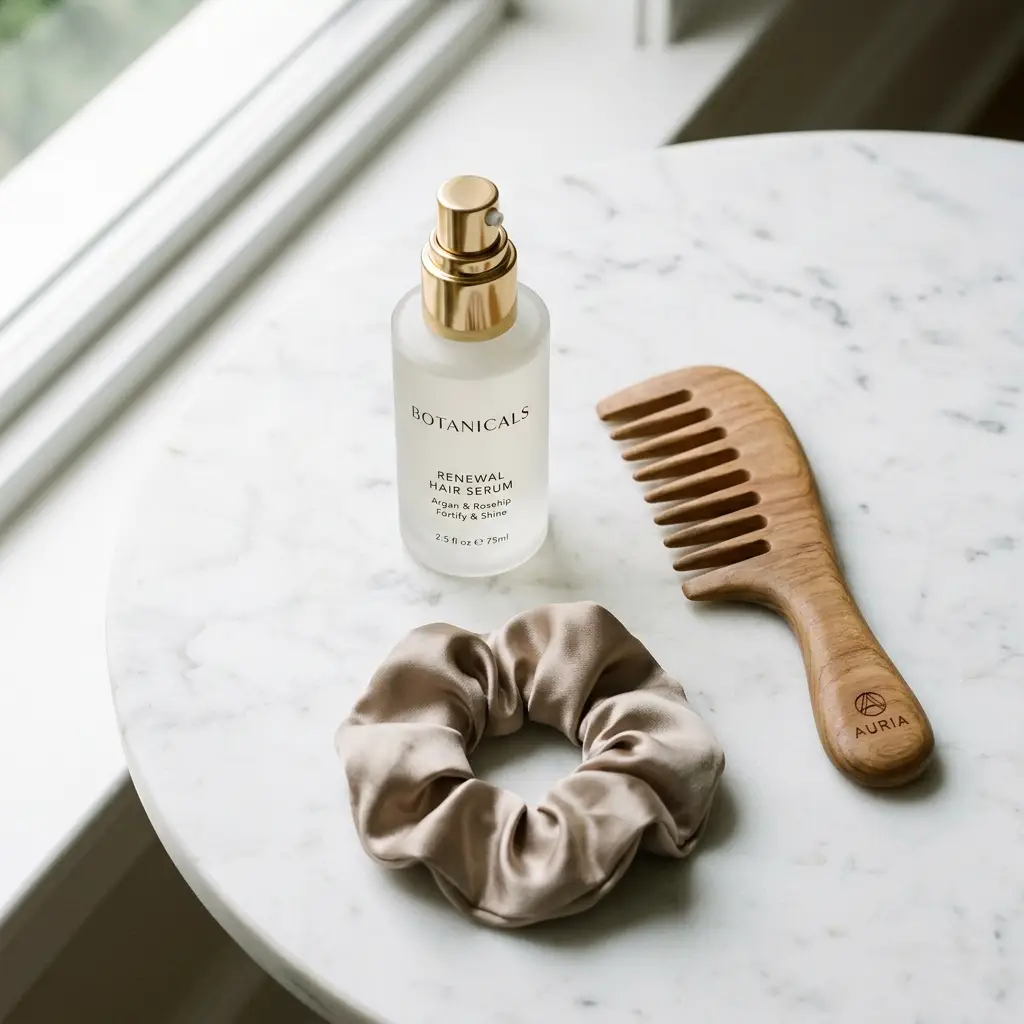
Hair Thinning After 40: Causes and Solutions
One of the most distressing, yet least discussed, changes that many women experience during their 40s and beyond is hair thinning. Your hair is often deeply intertwined with your sense of identity, vitality, and femininity. Finding more hair in your brush than usual, noticing a widening part, or feeling that your ponytail has lost its volume can be an incredibly emotional and anxiety-inducing experience. However, hair thinning during midlife is exceptionally common, and more importantly, there are effective, science-backed strategies to manage it.
The first step to combating hair loss is understanding that it is rarely a superficial issue. In your 40s, changes in hair density and texture are usually outward reflections of significant internal shifts. By identifying the root causes-whether hormonal, nutritional, or stress-related-you can stop wasting money on ineffective miracle shampoos and start implementing targeted treatments that actually support hair regrowth and scalp health.
The Role of Hormones in Midlife Hair Loss
Just as hormones dictate the changes in your skin and mood during perimenopause, they play a central role in the life cycle of your hair follicles. For decades, estrogen and progesterone have been your hair’s best friends. Estrogen, in particular, keeps hair in its active growth phase (the anagen phase) for longer periods, resulting in thick, full hair.
As you enter perimenopause, the production of these protective hormones begins to decline. This drop in estrogen and progesterone triggers several changes in the scalp environment. First, hair spends less time in the growth phase and more time in the resting and shedding phases. Consequently, hair grows more slowly and falls out more frequently.
More significantly, the decline in female hormones alters the delicate balance between estrogen and androgens (male hormones like testosterone, which women also produce in smaller amounts). As estrogen levels plummet, the relative influence of androgens increases. In women with a genetic predisposition, these androgens can shrink the hair follicles-a process known as miniaturization. Over time, the follicles produce thinner, finer hairs until they eventually stop producing hair altogether. This condition is known as Female Pattern Hair Loss (Androgenetic Alopecia), and it is the most common cause of hair thinning in women over 40, typically presenting as a widening of the part or diffuse thinning across the top of the scalp.
Beyond Hormones: Other Culprits of Hair Thinning
While hormonal shifts are the primary drivers of midlife hair loss, several other factors can exacerbate the problem. Addressing these secondary causes is crucial for a comprehensive treatment approach.
1. Nutritional Deficiencies
Hair cells are among the fastest-dividing cells in the body, which means they require a constant supply of nutrients. Deficiencies in key vitamins and minerals can quickly lead to increased shedding. Iron deficiency (ferritin) is a common culprit, especially if you experience heavy perimenopausal bleeding. Vitamin D, Vitamin B12, zinc, and adequate protein intake are also essential for healthy hair growth. A simple blood test can identify these deficiencies.
2. Chronic Stress and Cortisol
The 40s are often a period of immense stress, juggling career demands, aging parents, and family responsibilities. Chronic stress leads to elevated levels of cortisol, the body’s primary stress hormone. High cortisol can disrupt the hair growth cycle, pushing hair follicles prematurely into the resting phase. This type of stress-induced hair loss is known as Telogen Effluvium, which is characterized by sudden, excessive shedding, often noticed when washing or brushing.
3. Thyroid Imbalances
Thyroid disorders, particularly hypothyroidism (underactive thyroid), become increasingly common in women over 40. The thyroid gland regulates metabolism, and an imbalance can disrupt the hair growth cycle, leading to dry, brittle hair and diffuse thinning across the entire scalp.
Effective, Science-Backed Solutions
The good news is that hair thinning is often treatable, provided you approach it strategically. The key is early intervention; the sooner you address hair loss, the easier it is to preserve the follicles you still have.
Topical Treatments: Minoxidil
Topical Minoxidil (often known by the brand name Rogaine) is the only FDA-approved over-the-counter treatment for female pattern hair loss. It works by increasing blood flow to the hair follicles and prolonging the anagen (growth) phase of the hair cycle. Consistency is crucial; Minoxidil must be applied daily, and it typically takes three to six months to see visible results. It is important to note that if you stop using Minoxidil, the hair you regrew will likely fall out.
Hormone Replacement Therapy (HRT)
For women whose hair thinning is primarily driven by the estrogen drop of perimenopause, Hormone Replacement Therapy can be highly beneficial. By restoring estrogen levels, HRT can help mitigate the relative dominance of androgens, protecting the hair follicles from miniaturization. Discuss this option thoroughly with a healthcare provider to understand the risks and benefits.
Nutritional Support and Supplementation
If blood tests reveal deficiencies, targeted supplementation is essential. Iron, Vitamin D, and specific B-complex vitamins can support hair recovery. Additionally, high-quality hair supplements containing marine collagen, saw palmetto (which may help block androgen receptors), and adaptogens like ashwagandha (to manage stress) have shown promise in clinical studies. Ensure your diet is rich in lean proteins, as hair is primarily composed of the protein keratin.
Advanced Clinical Therapies
For more stubborn cases, dermatologists may recommend advanced therapies. Platelet-Rich Plasma (PRP) therapy involves drawing your blood, concentrating the platelets, and injecting them into the scalp to stimulate follicular regeneration. Low-Level Laser Therapy (LLLT), available in clinical devices or at-home caps, uses red light to stimulate cellular energy in the hair follicles, promoting thicker hair growth.
Embracing Holistic Scalp Care
In addition to medical and nutritional interventions, how you treat your hair daily matters. Treat your scalp like an extension of your facial skin. Regular scalp massages can stimulate blood flow. Avoid tight hairstyles that cause traction alopecia, and minimize the use of harsh chemical treatments and excessive heat styling, which can cause breakage to already fragile hair.
Experiencing hair thinning in your 40s is challenging, but it is not a battle you have to lose. By understanding the underlying hormonal and physical changes, consulting with professionals to identify the root cause, and committing to a consistent, science-backed treatment regimen, you can protect your hair follicles, encourage new growth, and regain your confidence. Your hair may change as you age, but with proper care, it can remain vibrant and beautiful throughout midlife.
Frequently Asked Questions
Is perimenopause hair loss permanent?
It depends on the cause. If the hair loss is due to stress or nutritional deficiencies (Telogen Effluvium), it is often temporary and reversible once the underlying issue is resolved. However, if it is Female Pattern Hair Loss triggered by hormonal shifts, the miniaturization of hair follicles is progressive. While it cannot be completely “cured,” treatments like Minoxidil or HRT can effectively halt the progression and stimulate regrowth.
How do I know if my hair loss is hormonal or from something else?
Hormonal hair loss (Female Pattern Hair Loss) typically presents as a widening of the center part or diffuse thinning across the crown, while the frontal hairline usually remains intact. Stress or nutrient-related hair loss often presents as sudden, excessive shedding all over the head (e.g., clumps of hair in the shower drain). A dermatologist can diagnose the specific type of hair loss using a scalp examination and blood tests.
Do hair growth shampoos actually work?
Most over-the-counter “thickening” shampoos only work cosmetically by temporarily swelling the hair shaft; they do not promote new hair growth. The exception is shampoos containing ketoconazole, which has mild anti-androgen properties and reduces scalp inflammation. For real regrowth, topical treatments like Minoxidil or clinical interventions are necessary.
How long does it take to see results from hair loss treatments?
Patience is critical. Because hair grows slowly (roughly half an inch per month), it typically takes at least three to six months of consistent treatment with Minoxidil, supplements, or HRT to see noticeable improvements in hair density. In the first month of using Minoxidil, you may actually notice increased shedding as resting hairs are pushed out to make way for new growth.
References
- Fabbrocini, G., et al. (2018). Female pattern hair loss: A clinical, pathophysiologic, and therapeutic review. International Journal of Women’s Dermatology, 4(4), 203-211.
- Dinh, Q. Q., & Sinclair, R. (2007). Female pattern hair loss: current treatment concepts. Clinical interventions in aging, 2(2), 189-199.
- Grymowicz, M., et al. (2020). Hormonal Effects on Hair Follicles. International journal of molecular sciences, 21(15), 5342.